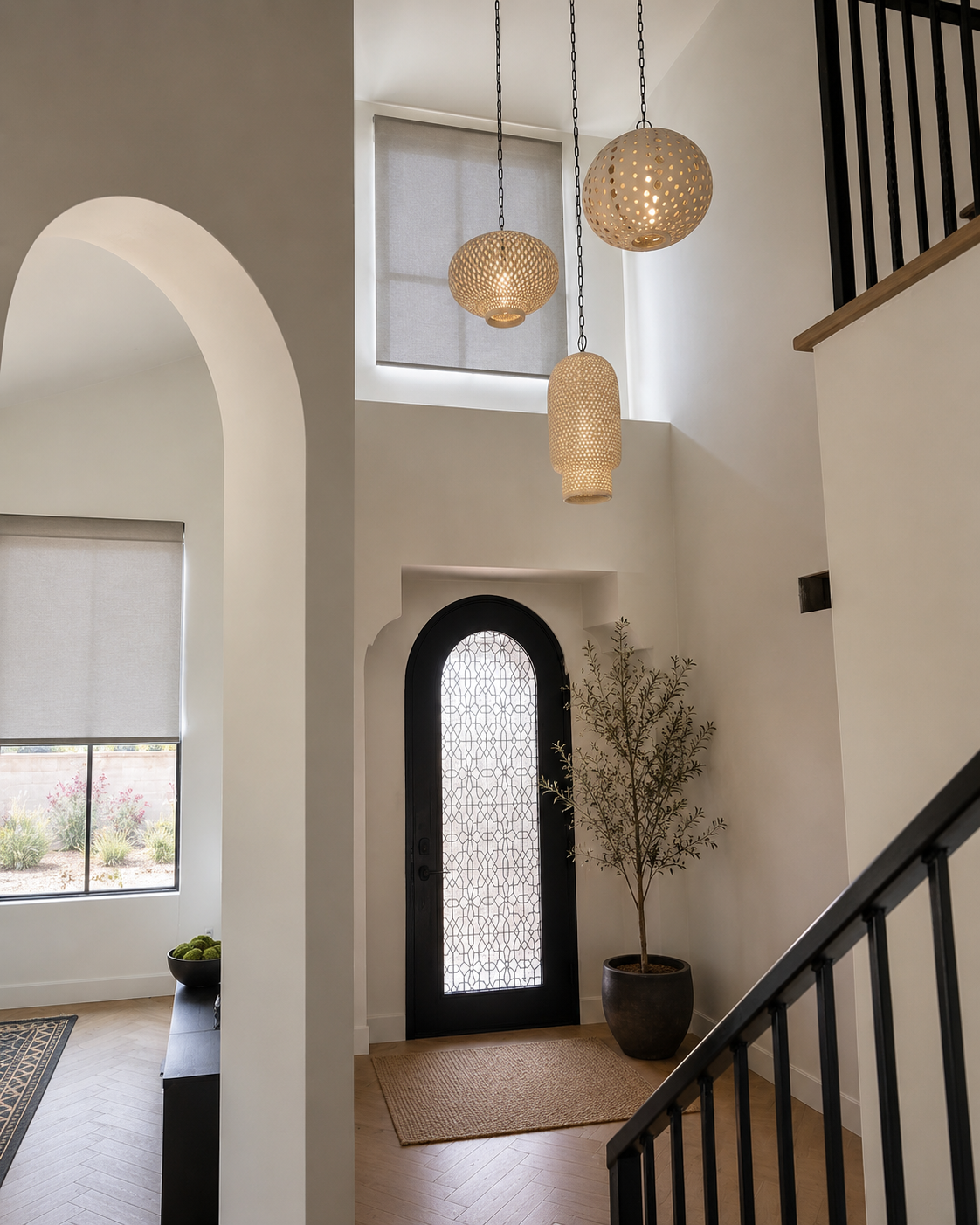
If you are looking for window treatments in Tucson, AZ that can survive monsoon season, you want the truth before you spend a dime. You want coverings that shrug off blowing dust, high humidity, and sudden temperature swings without warping, fading, or falling apart in a year. The good news is that some materials are built for exactly this, and a few simple choices can keep your windows looking great long after the storms pass.
This guide comes from Matt at Love is Blinds AZ, a custom window treatment company serving Tucson, Oro Valley, Marana, the Catalina Foothills, Sahuarita, and Green Valley. Matt has measured and installed coverings in hundreds of Southern Arizona homes, so he knows what holds up when the Tucson-area monsoon rolls in each summer. Below he answers the questions homeowners ask most about choosing window treatments that last. When you are ready, browse the full products hub or schedule a free in-home consultation and compare samples in your own light.
Why Is Monsoon Season So Hard on Window Coverings in Tucson?
Monsoon season runs from about July through September. It brings three things that punish window coverings all at once: fine blowing dust, sudden humidity, and big swings in heat. A morning can start at 105 degrees and dry, then turn into a dusty, wet storm by late afternoon.
That mix is hard on cheap materials. Dust settles into fabric and works into cords and lift systems. Humidity makes real wood swell and warp. Then the dry heat returns and the wood shrinks back, which can crack the finish over time. The window treatments that work fine in a mild climate often fail fast here.
This is why material choice matters more than looks. The best window treatments tucson az homeowners can buy are the ones picked for our desert conditions, sized to seal the window, and built from parts that wipe clean and stay stable through the swings.
What Window Coverings Hold Up Best in Monsoon Season?
The coverings that hold up best in monsoon season are the ones that resist moisture and wipe clean of dust. At the top of the list are faux wood blinds, plantation shutters, solar and roller shades, and honeycomb shades made with the right fabric. Each one handles the storm season in its own way.
Hard-surface coverings like faux wood blinds and shutters are the easiest to keep clean after a dust storm. You just wipe them down. Fabric shades take a little more care, but quality fabrics today resist dust and clean up well. Matt helps you weigh the trade-offs room by room during the in-home visit.
Here are the rooms and spots where monsoon-ready coverings matter most:
- West and south living rooms that take blowing dust and afternoon glare
- Kitchens and baths where humidity is highest
- Sliding glass doors and patios that face open desert
- Bedrooms where you want a tight seal against heat and early light
- Second homes and rentals left empty during summer storms
- Entryways and hallways where dust collects fastest
Do Faux Wood Blinds Handle Monsoon Humidity and Dust?
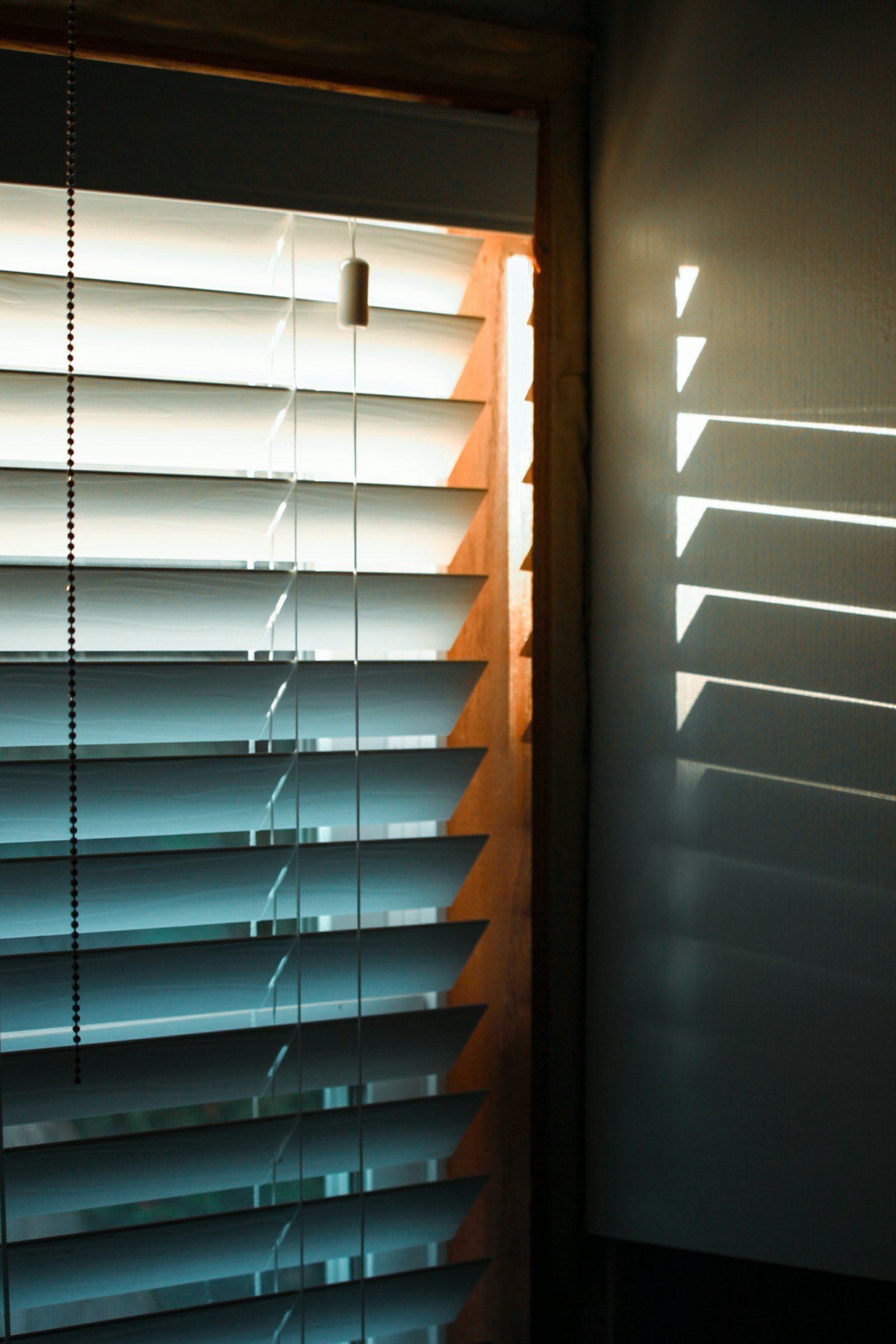
Yes. Faux wood blinds are one of the best monsoon picks in the whole lineup. They are made from a tough composite that does not swell, warp, or crack when humidity spikes. Real wood can do all three in our climate, which is why Matt steers most folks toward faux wood for sunny or humid rooms.
Faux wood blinds also clean up in seconds. After a dust storm you wipe the slats with a damp cloth and they look new again. They tilt closed to block direct sun and blowing grit, and they cost less than shutters. If you still want the warmth of natural wood in a low-humidity room, real wood blinds are an option, but faux wood is the safer call for storm season.
Are Plantation Shutters a Good Choice for Storm Season?
Plantation shutters are a strong choice for monsoon season and for the rest of the year too. Quality plantation shutters are built to take heat and moisture without warping. The solid louvers wipe clean of dust and add a layer of insulation between the glass and your room.
Shutters mount right into the window frame, so they seal tighter than most coverings. That tight fit keeps out drafts, dust, and heat at the edges where cheap blinds leak. They never need re-stringing and they last for years, which is part of why they can add to a home's resale value.
The trade-off is price. Shutters cost more up front than blinds. For many homeowners the long life and the finished, built-in look are worth it, especially on big front windows and in adobe or desert-modern homes where clean lines fit the style.
How Do Honeycomb and Roller Shades Deal With Monsoon Dust?
Honeycomb shades trap air inside small cells, which makes them great at slowing heat. That same structure can hold a little more dust than a flat surface, so for very dusty rooms Matt may suggest a tighter weave or an easy-clean fabric. In most homes a quick pass with a vacuum brush keeps them fresh.
Roller shades and solar shades have a smooth, flat face that sheds dust well. Solar shades are woven to block most UV while keeping your view, which is perfect for west windows that take both glare and grit. A damp wipe cleans them after a storm.
Both shade types pair well with other coverings. Many homeowners layer a solar shade for daytime glare with a room-darkening shade for sleep and privacy. That layered setup gives you the most control during the long, bright summer.
Should I Get Motorized Blinds Before Monsoon Hits?
Motorized coverings are a smart upgrade for storm season, and they shine for snowbirds and second-home owners. With motorized window treatments you can raise and lower shades on a schedule even when you are away. That keeps sun off your floors and helps your home look lived-in during the empty summer months.
Motorization also helps on tall or hard-to-reach windows above a staircase or over a slider. No cords to tangle with dust, and no climbing. You can set automations to close the shades during the hottest, dustiest part of the afternoon and open them after the storm clears.
For homes that sit empty during monsoon season, this is real peace of mind. Your floors and furniture stay protected from UV, and the home stays cooler, which eases the load on your AC. Adding motorization runs about 150 to 250 dollars per window, which many second-home owners find well worth it.
How Much Do Monsoon-Ready Window Coverings Cost in Tucson?
Most custom window treatments in Tucson run about 250 to 450 dollars per window installed. The price moves with the size of the window, the material you choose, and any special shapes. Installation itself adds roughly 15 to 50 dollars per window.
By material, aluminum and vinyl blinds often run 100 to 150 dollars per window. Faux wood blinds land around 150 to 400 dollars. Real wood blinds run about 200 to 600 dollars. Plantation shutters usually run 200 to 600 dollars or more per window, and motorization adds about 150 to 250 dollars per window. For a full breakdown, see our guide on how much custom blinds cost in Tucson.
It pays to pick the right material the first time. Choosing the wrong covering for our climate is one of the top window treatment mistakes people make in hot, dry climates. The right covering also helps your home stay cool, and it really can lower energy bills in Arizona homes.
How Does Matt Pick the Right Window Treatments in Tucson, AZ?
Every window in your home is a little different. The direction it faces, the size of the glass, and how much dust and sun it takes all change the best answer. That is why Matt does a free in-home consultation instead of guessing from a catalog.
Matt brings real samples to your home so you can compare them in your own light. The color that looks perfect in a store can look very different against your walls at 4 p.m. in July. He measures every window himself, so your coverings fit tight and seal out heat and dust. With the right fit, there are no gaps at the edges for grit to blow through.
This hands-on step is the part a big-box store cannot match. It is also how you avoid paying twice for coverings that do not hold up. Matt matches each product to the exposure, the room, and your budget before you commit.
Get Ready for Monsoon Season With a Free In-Home Consultation
With monsoon season just around the corner, now is the time to get your windows ready. Matt will come to you, bring samples, and measure every window in your home, all at no cost. He serves Tucson, Oro Valley, Marana, the Catalina Foothills, Sahuarita, and Green Valley. See the full list on our areas we serve page.
Ready to protect your home before the storms hit? Schedule your free in-home consultation today. We will come to you. Call or text (844) 936-2446 to set up a time that works for you.
Frequently Asked Questions
What window treatments are best for monsoon season in Tucson?
Faux wood blinds and plantation shutters hold up best because they resist humidity and wipe clean of dust. Solar shades, roller shades, and quality honeycomb shades also do well. Real wood is the one material to avoid in humid or sunny rooms, since it can warp and crack.
Do faux wood blinds warp in Arizona heat and humidity?
No. Faux wood blinds are made from a composite built to handle heat and moisture without warping, swelling, or cracking. That makes them one of the best monsoon-ready picks for Tucson homes, and they cost less than shutters.
How much do custom window treatments cost in Tucson?
Most custom window treatments run about 250 to 450 dollars per window installed. Faux wood blinds land around 150 to 400 dollars, plantation shutters run 200 to 600 dollars or more, and motorization adds about 150 to 250 dollars per window. Price depends on size, material, and window shape.
Are motorized blinds worth it for a Tucson second home?
Yes, for many snowbirds and second-home owners. Motorized blinds run on a schedule even when you are away, so they protect floors from UV and help the home look lived-in. They also work great on tall, hard-to-reach windows. Motorization adds about 150 to 250 dollars per window.