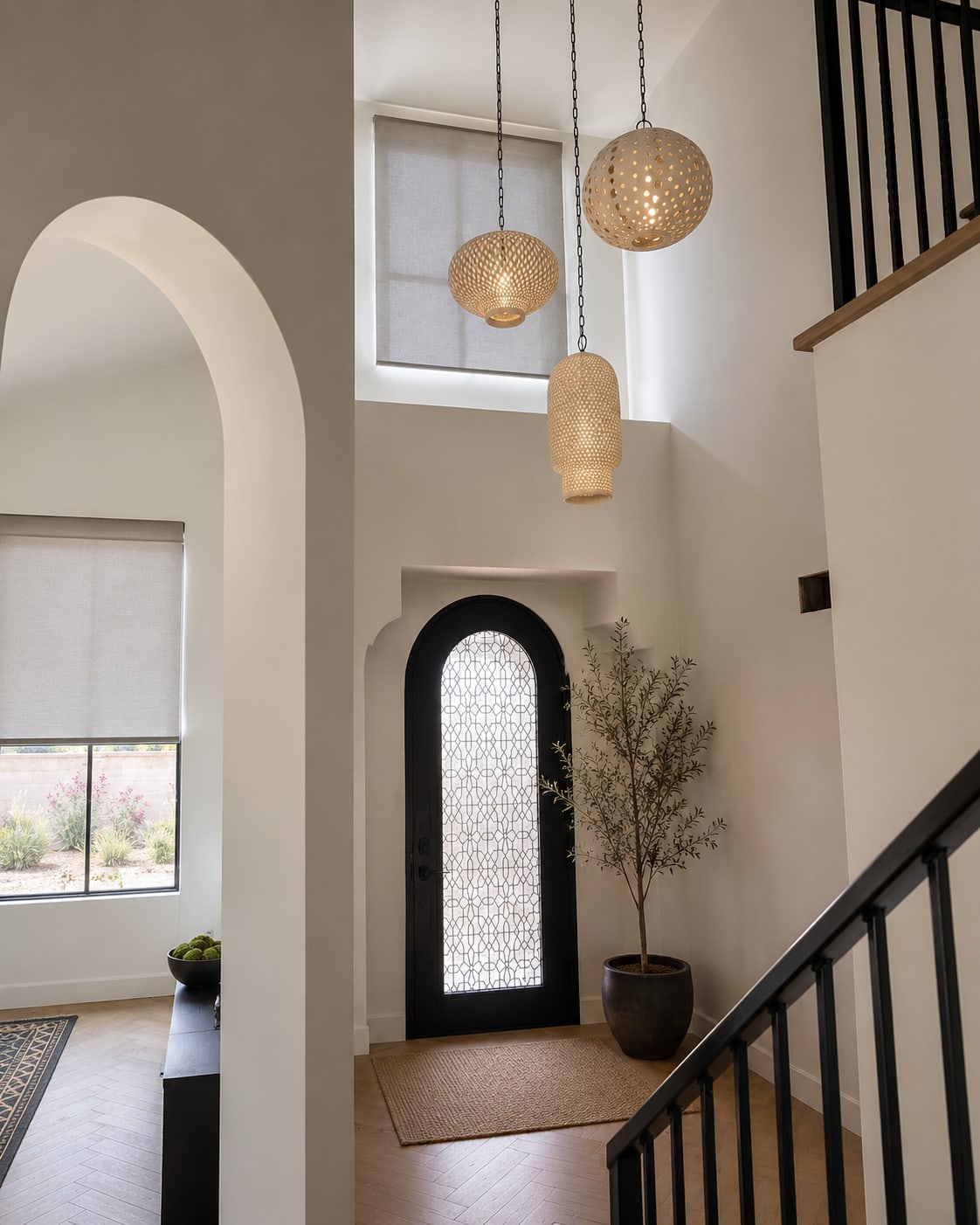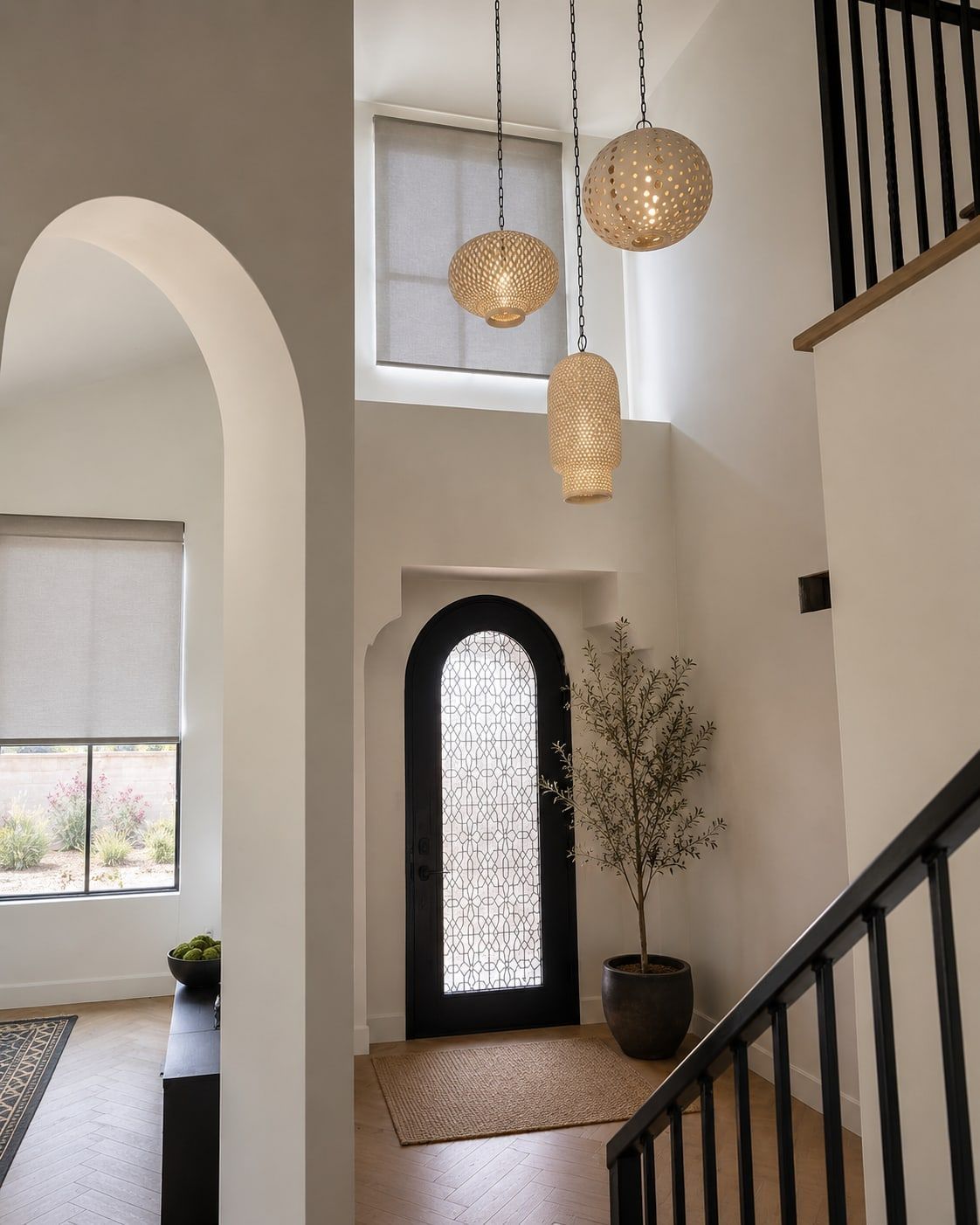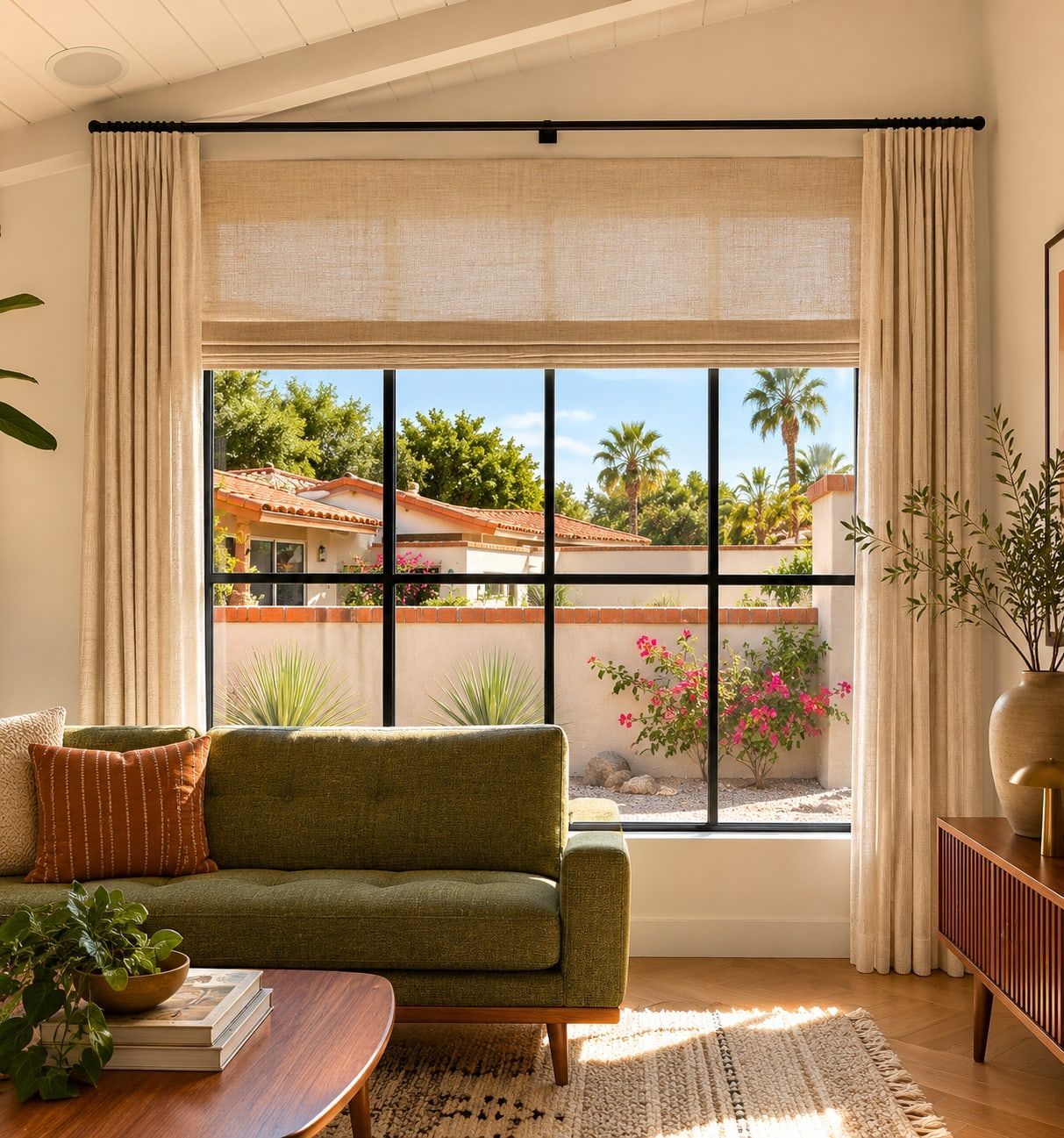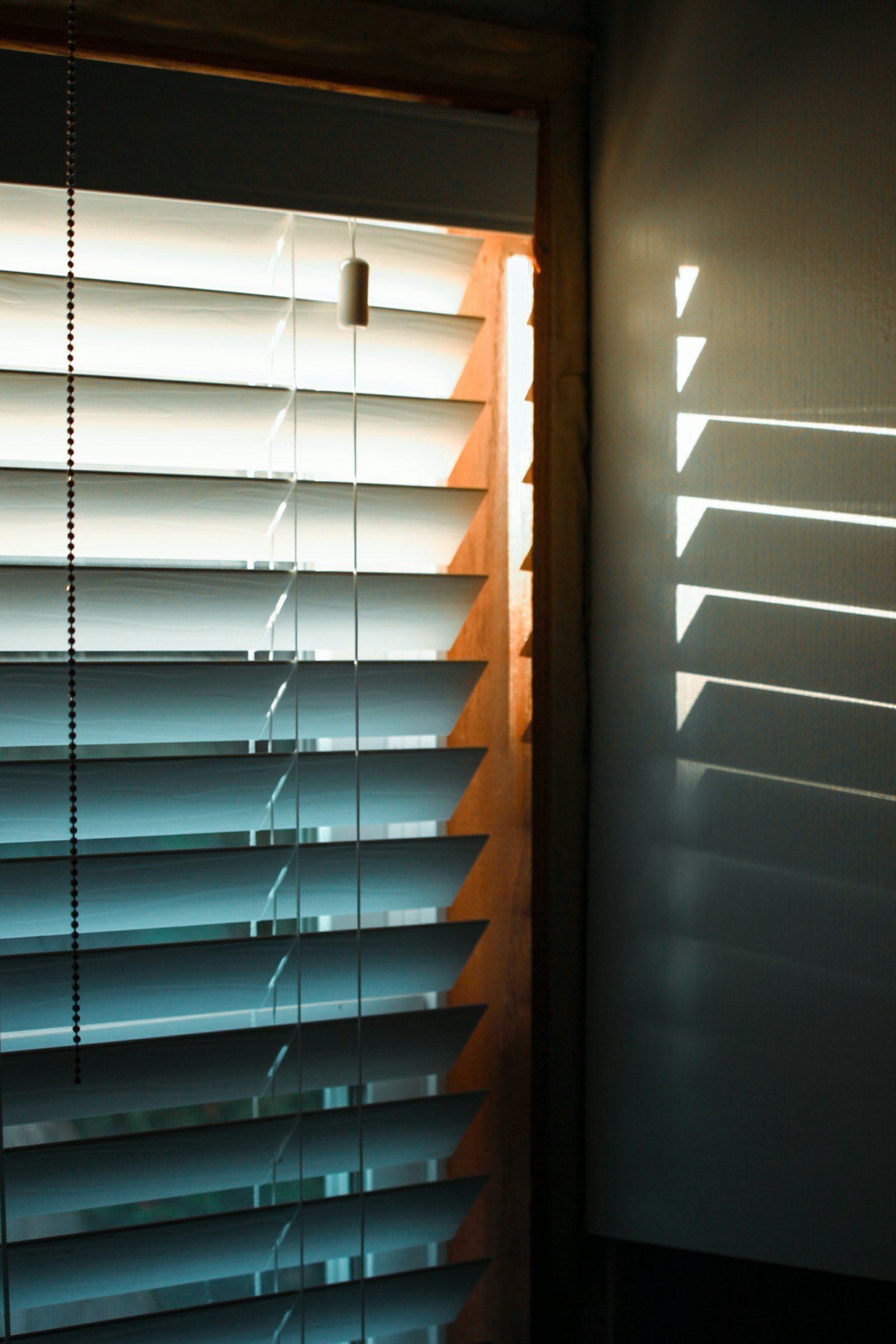
If you live in Tucson, you have seen what the sun can do. A bright spot on the carpet turns pale. The arm of a leather sofa looks lighter than the rest. Hardwood floors near a window lose their rich color. That is UV fading, and the desert sun does it faster here than almost anywhere else. The good news is that the right UV blocking window treatments can stop most of that damage before it starts. They guard your floors, your furniture, and your art while keeping your home cool and comfortable.
This guide comes from Matt at Love is Blinds AZ, a custom window treatment company serving Tucson, Oro Valley, Marana, the Catalina Foothills, Sahuarita, and Green Valley. Matt has measured and installed coverings in hundreds of Southern Arizona homes, so he knows which products hold up to our sun and which ones fade or warp. Below he answers the questions homeowners ask most about protecting their floors and furniture. When you are ready, you can browse the full products hub or schedule a free in-home consultation and compare samples in your own light.
Why Does the Tucson Sun Fade Furniture and Floors So Fast?
Tucson sits in the Sonoran Desert and gets more than 280 sunny days a year. That sunshine is part of why people love living here. It is also packed with ultraviolet rays, the part of sunlight that breaks down color and material over time.
Three things speed up fading in our region. First, the UV index in Southern Arizona is among the highest in the country. Second, our long summers mean more hours of direct light hitting your stuff. Third, low afternoon sun pours straight through west and south windows at eye level. Put those together and a sunny room can fade a rug or a wood floor in a single season.
UV damage is permanent. Once color is gone, you cannot bring it back. That is why blocking the rays at the window is so much smarter than trying to fix the damage later.
What Are the Best UV Blocking Window Treatments for My Home?
The best UV blocking window treatments for a Tucson home are the ones that filter or stop the rays before they reach your floors. Most quality coverings block a large share of UV, but a few stand out. Solar shades, honeycomb shades, plantation shutters, and faux wood blinds all do a strong job in our climate.
The right pick depends on the room, the direction the window faces, and whether you want to keep your view. A west-facing great room with big glass needs more protection than a north-facing guest room. Matt looks at each window during the in-home visit and matches the product to the exposure. That is the part a big-box store cannot do for you.
Here are the rooms and spots where homeowners ask for sun protection most:
- West and south living rooms with afternoon glare
- Bedrooms where early summer sunrise wakes you too soon
- Home offices where screens wash out in bright light
- Sliding glass doors leading to a patio or pool
- Kitchens and dining rooms with wood floors near the window
- Entryways and hallways where art or rugs sit in direct sun
How Do Solar Shades Protect Your Floors Without Blocking the View?
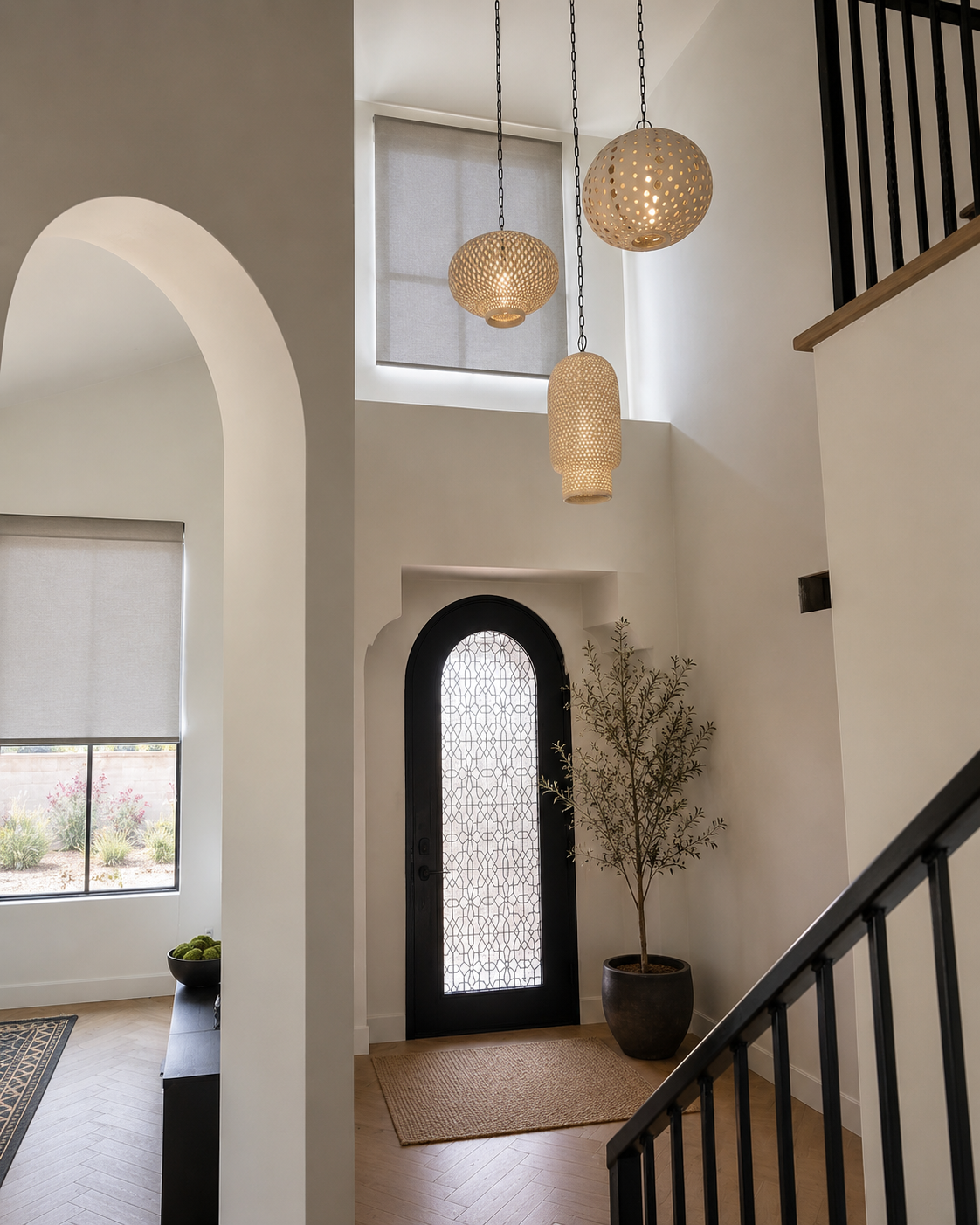
Solar shades are the top choice when you want sun protection but do not want to lose your mountain or desert view. They are woven with tiny gaps measured by an "openness factor." A 3 percent or 5 percent weave blocks most UV rays and cuts glare while still letting you see outside.
This makes roller and solar shades a favorite in the Foothills and Oro Valley, where people pay for the view and do not want to hide it. You stay connected to the desert landscape, your floors stay protected, and your afternoon TV time stops being a glare fight.
For the worst west-facing windows, Matt often pairs a solar shade with a second room-darkening layer. That gives you a see-through option during the day and full coverage when the sun is at its harshest.
Are Honeycomb Shades Good for Cutting Heat and UV?
Yes. Honeycomb shades, also called cellular shades, are one of the smartest picks for our climate. Their honeycomb-shaped pockets trap air, which slows both heat and light coming through the glass.
That trapped air acts like a blanket over the window. In summer it keeps hot air out. On chilly desert winter nights it keeps warm air in. They also help your floors, since less direct light means less fading. If you want to know how much this can save you, Matt breaks it down in his guide on whether blinds really help lower energy bills in Arizona homes.
Add a blackout liner in bedrooms and you also solve the early sunrise problem. Anyone who has tried to sleep past 5:30 a.m. during a Tucson summer will be glad for that.
Do Plantation Shutters Help Stop Sun Damage?
Plantation shutters are the workhorse of Arizona window treatments. Their wide louvers tilt to send light up toward the ceiling, so you get a bright room without direct rays hitting your furniture. Closed tight, they add a solid layer between the glass and your living space.
Plantation shutters also fit the look of local homes, from desert-modern builds to adobe-style houses with deep window wells. They never need re-stringing, they wipe clean of monsoon dust in seconds, and they are one of the few coverings that can add to your home's resale value.
Because they are built to last, shutters are a strong choice for windows you do not want to fuss with. Set the louvers once and they keep working all day.
What About Faux Wood and Real Wood Blinds?
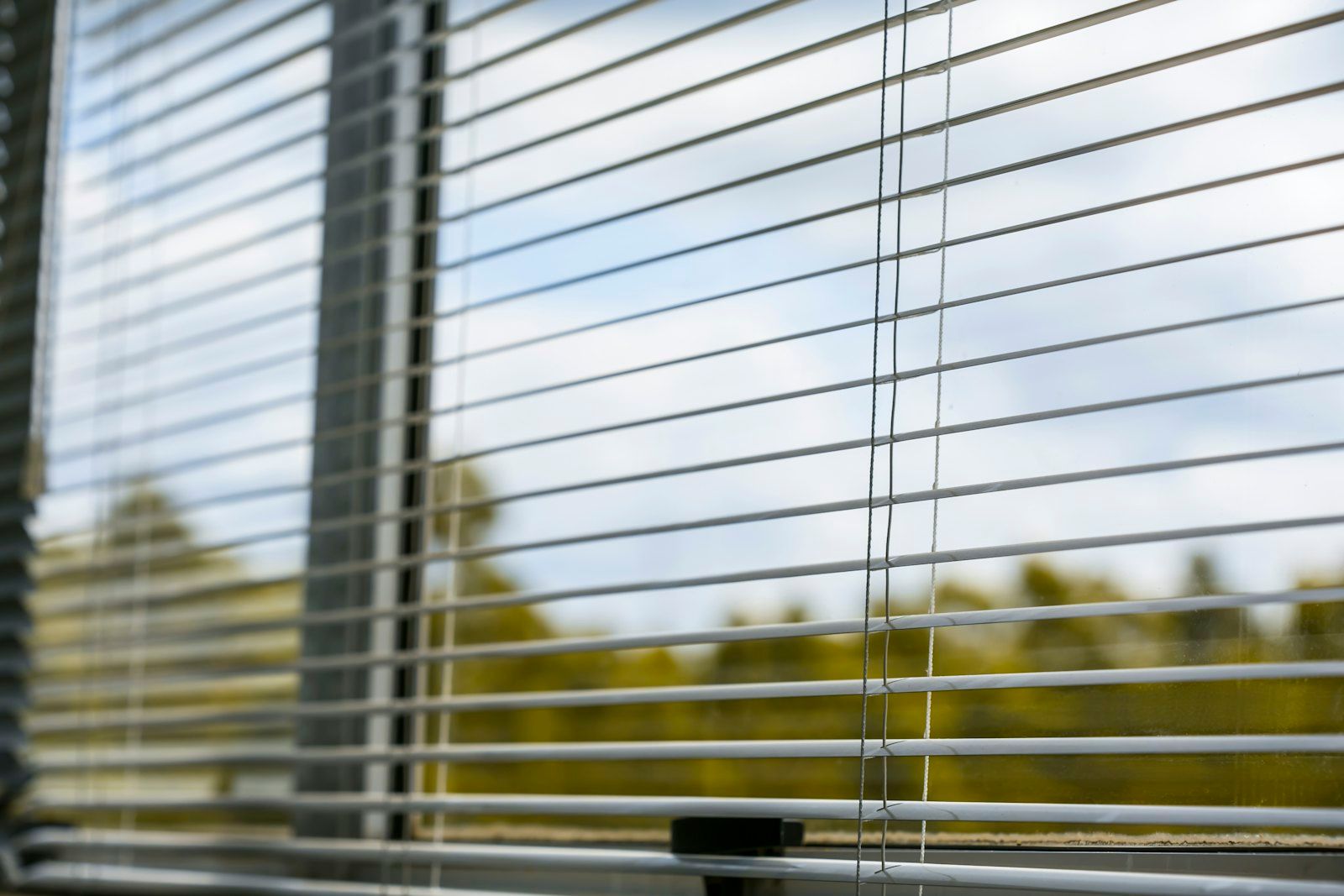
Faux wood blinds are a smart, budget-friendly way to block direct sun. They tilt closed to stop the rays, and unlike real wood they will not crack, warp, or fade in our dry desert heat. That makes them a great fit for bathrooms, kitchens, and west-facing bedrooms.
If you love the warmth of natural grain, real wood blinds bring a rich, high-end look. They work best in rooms that do not take the full force of the afternoon sun, since extreme heat is harder on natural wood over many years.
Both options block UV well when closed. The choice usually comes down to budget, room, and the look you want. Matt brings samples of each so you can feel the weight and see the finish before you decide.
Can Motorized Shades Make UV Protection Easier?
They can, and they are more popular every year. Motorized window treatments let you lower your shades with a remote, an app, or your voice. You can even set them on a schedule so they close during the hottest part of the afternoon on their own.
That is a big deal for sun protection. Tall windows, sliding doors, and hard-to-reach spots get covered every day without anyone climbing or pulling cords. Your floors stay shaded even when you are not home. Learn more on the window treatment automations page.
Motorization is also safer for homes with kids and pets, since there are no dangling cords. It adds roughly $150 to $250 per window, and many homeowners say it is worth every penny for the windows they use most.
How Much Do UV Blocking Window Treatments Cost in Tucson?
Most custom window treatments in Tucson run about $250 to $450 per window installed. The exact price depends on the product, the size of the window, and any upgrades you choose. For a closer look, Matt has a full guide on how much custom blinds cost in Tucson.
Here is a rough range by product. Aluminum or vinyl blinds run about $100 to $150 per window. Faux wood blinds run about $150 to $400. Real wood blinds run about $200 to $600. Plantation shutters run about $200 to $600 or more. Motorization adds about $150 to $250 per window, and basic installation runs about $15 to $50 per window.
It helps to think of UV protection as a way to save money, not just spend it. Replacing a faded hardwood floor or a sun-damaged sofa costs far more than the shades that would have protected them. One quick tip: avoid the common mistakes Matt covers in his post on the top window treatment mistakes people make in hot, dry climates.
Why Summer Is the Best Time to Add Sun Protection
Right now in June, the Tucson sun is near its strongest. The days are long and the afternoon heat is brutal on west-facing rooms. This is the season when UV fading happens fastest, so it is the smartest time to get your windows covered.
Adding the right shades or shutters now means your floors and furniture are protected through the worst of the summer and into monsoon season. You will feel the difference in comfort and likely on your next power bill too. Waiting until fall just gives the sun a few more months to do its damage.
Ready for a Free In-Home Consultation?
The best way to protect your home is to see the options in your own light. Matt brings samples right to your door so you can compare colors and fabrics against your floors and walls. He measures every window himself, so each covering fits tight and seals out heat and UV the way it should.
Love is Blinds AZ serves Tucson, Oro Valley, Marana, the Catalina Foothills, Sahuarita, and Green Valley. See the full list on our areas we serve page. We will come to you. Call (844) 936-2446 or schedule your free in-home consultation today and stop the sun from fading what you love.
Frequently Asked Questions
Do UV blocking window treatments stop all fading?
No covering blocks 100 percent of fading, since heat and visible light cause some change too. But quality solar shades, honeycomb shades, and shutters block most UV rays. That cuts fading dramatically and protects your floors and furniture for years longer than bare glass.
Which window treatment is best for a west-facing room in Tucson?
West windows take the worst afternoon sun. Solar shades keep your view while blocking glare and UV. For full control, pair a solar shade with a room-darkening honeycomb shade, or choose plantation shutters. Matt can recommend the right layer based on your exact window.
How much do UV blocking window treatments cost?
Most custom window treatments in Tucson run about $250 to $450 per window installed. Faux wood blinds start lower, around $150, while plantation shutters can reach $600 or more. Adding motorization costs about $150 to $250 per window.
Is the in-home consultation really free?
Yes. Matt comes to your home at no cost, brings samples so you can compare them in your own light, and measures every window himself. There is no pressure and no obligation. Call (844) 936-2446 or book online to set it up.